
There was a time when buying a luxury handbag was simply a splurge: a beautiful accessory meant to be worn, loved and eventually replaced. Today, the picture looks completely different. Iconic handbags have become one of the most dynamic asset classes in the luxury landscape, making regular valuations increasingly important for collectors and their advisors. Driven by bullish boutique price increases and eye-watering secondary market premiums, top-tier bags are outperforming many traditional passion investments.
If you or your clients hold a curated collection, there is a very good chance it is currently underinsured.

Not all designer bags behave the same way on the market, which makes understanding their place in the hierarchy essential. At the absolute apex sit the investment anchors: Hermès Birkins, Kellys and Constances. Boutique availability remains strictly controlled, creating an immediate and substantial premium on the secondary market. A pristine Birkin 25 or Kelly 28 Sellier can easily command between 50% and more than 100% above retail the moment it leaves the store. [1] If one of these pieces is lost or damaged, a standard insurance policy that pays out based on original store receipts will leave you tens of thousands of pounds short of what it actually costs to acquire a replacement.
Just below Hermès sit the blue-chip classics, dominated by Chanel’s Classic Flaps, Goyard and select Dior icons. Values here are propelled by regular, deliberate price hikes from the fashion houses themselves. Chanel, for instance, has nearly doubled the retail price of a Medium Classic Flap over recent years. A bag purchased in 2019 for around £4,500 would cost over £9,000 to replace off the shelf today, rendering older receipts completely obsolete for insurance purposes.[2]
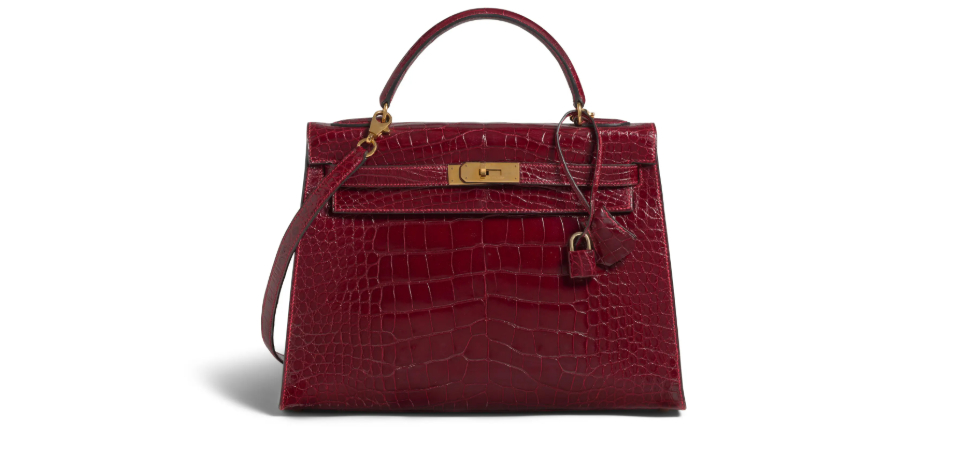
Across the entire market, price appreciation is concentrating in very specific details rather than whole brand lines. Smaller micro and mini sizes consistently outperform larger daily totes in percentage growth. Similarly, while seasonal pop colours generate initial buzz, classic neutral tones like Noir, Gold, and Etoupe paired with gold or palladium hardware remain the most reliable long-term stores of value. Rare materials like Porosus Crocodile or short-run limited editions operate on an entirely separate valuation scale altogether.
Because it is not always possible to walk into a boutique and purchase an iconic piece on demand, secondary-market prices are now the primary engine driving an accurate agreed value schedule. When an insurer agrees to a valuation figure, that sum must reflect real-world replacement costs, which are dictated by auction results, private sales, and reputable secondary specialists. If a claim occurs, your payout needs to match the live market price required to source an identical piece in equivalent condition immediately, rather than a theoretical retail price that does not grant you actual access to the bag.
The biggest trap collectors face is assuming a standard home contents policy offers this level of protection. Most off-the-shelf policies calculate claims on original receipts or impose strict single-item limits, often capped around £1,500 to £2,500. [3] Without a professionally set Agreed Value schedule grounded in current secondary market reality, you risk being left significantly out of pocket.
Because this secondary market moves so rapidly, a valuation older than two years is likely out of date. Collections heavy in Hermès or exotic skins should be reassessed every 12 to 18 months, while classic Chanel-heavy or mixed collections should be reviewed every two to three years.
Treating your handbag collection with the same rigour as fine art or jewellery ensures your passion assets remain properly protected.
Gurr Johns’ specialists can help collectors and their advisors identify and value important handbags, providing a clearer understanding of current market values and whether existing insurance remains appropriate.
Reference points
[1] Chanel references from by ‘Brag My Bag'.
[2] Hermès references from ‘Green-auctioneers’.
[3] Axa Art.